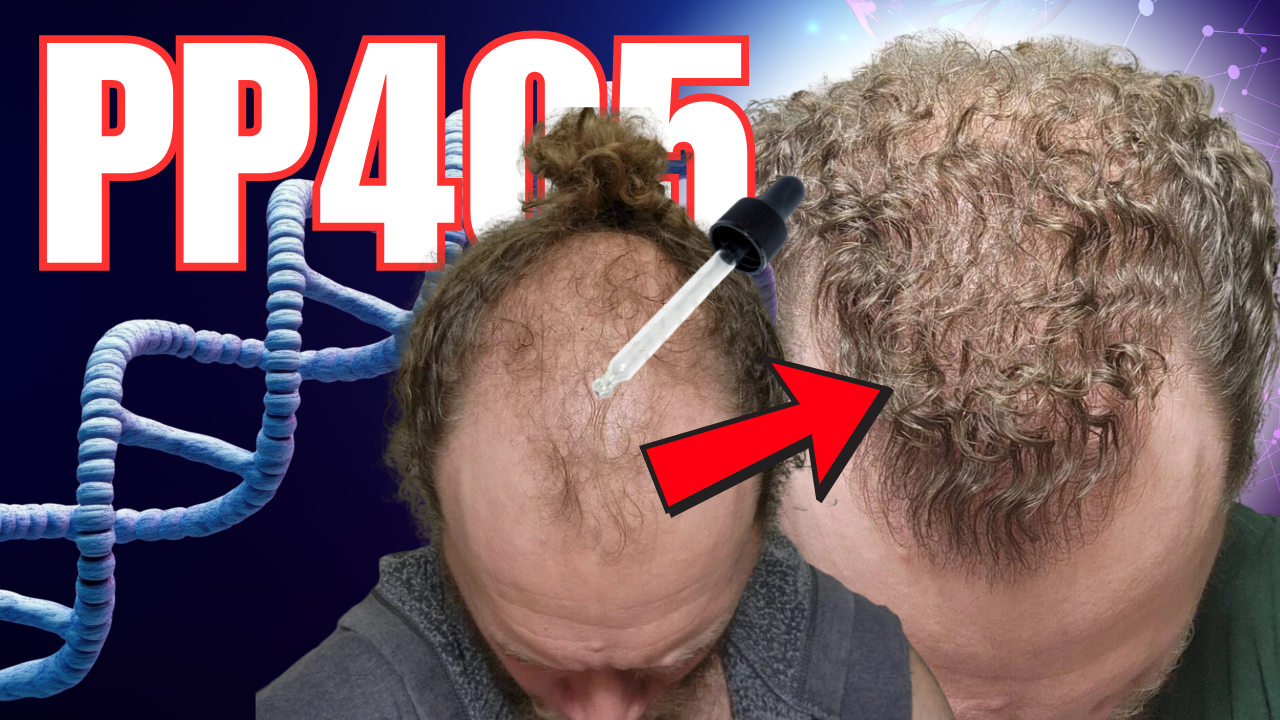
PP405 Trials Show Promising Results for Full Hair Regrowth: A New Dawn in the Search for a Cura Para Calvície
For centuries, humanity has sought a definitive answer to hair loss, a condition that affects millions globally and carries significant psychological impact. From ancient Egyptian concoctions to medieval remedies, the quest for a "Cura Para Calvície" has been relentless, yet often fruitless. Today, a groundbreaking development from UCLA offers unprecedented hope, moving us closer than ever to a true solution. Researchers have unveiled a revolutionary molecule, PP405, that shows immense promise in awakening dormant hair follicles and stimulating the growth of full, robust hair.
This isn't just another topical treatment aiming to slow down thinning or produce temporary peach fuzz. The early results from human trials for PP405 are not only promising but have been labeled "statistically significant" by the scientists involved, suggesting a genuine paradigm shift in hair restoration science. Could this be the long-awaited breakthrough many have been dreaming of? Let's delve into the science, the trials, and what this means for the future of hair regrowth.
The Science Behind PP405: Awakening Dormant Follicles
At the heart of this exciting development lies a deep understanding of cellular biology. For nearly a decade, a dedicated team of scientists at UCLA has been meticulously studying the intricate mechanisms governing hair growth and dormancy. Their efforts culminated in the identification of PP405, a small carrier molecule designed to target specific proteins within hair follicle stem cells.
Hair follicles, even in areas affected by significant thinning or baldness, often don't disappear entirely. Instead, many enter a state of dormancy, where their stem cells remain inactive, preventing new hair growth. The brilliance of PP405 lies in its ability to inhibit the specific protein responsible for keeping these stem cells dormant. By essentially "switching off" the dormancy signal, PP405 triggers these stem cells to spring back into action, initiating a new cycle of hair growth.
This targeted approach distinguishes PP405 from many other treatments. While some existing solutions might aim to reduce inflammation or boost circulation, PP405 directly addresses the root cause of non-growth in dormant follicles. Dr. William Lowry, a professor of molecular, cellular, and developmental biology and one of the study's lead authors, explains, "In some way, most men and women suffer hair loss, or lose it after chemotherapy, infections, or other stressors, and it affects them psychologically." The profound impact of hair loss underscores the urgency and significance of this research, which aims to not just mitigate but *reverse* the condition.
The collaborative effort behind this discovery involves other distinguished scientists from UCLA: Heather Christofk, a professor of biological chemistry, and Michael Jung, a distinguished professor of chemistry. Together, their combined expertise has paved the way for a potential new era in the quest for a genuine "Cura Para Calvície".
Early Human Trials: A Glimpse into the Future of Hair Restoration
The theoretical promise of PP405 began to materialize in 2023 with the initiation of the first human trials. These crucial early tests, conducted in Orange County, involved a straightforward, patient-friendly application method. Participants applied PP405 as a topical medication to their scalp at bedtime for just one week. The simplicity of the regimen makes the reported outcomes even more compelling.
The initial results from these trials were unequivocally positive, described by researchers as "promising." More importantly, the data collected was deemed "statistically significant," a term that carries substantial weight in scientific research, indicating that the observed effects were unlikely due to chance. What truly sets PP405 apart, however, is the quality of hair it is believed to produce. Unlike many contemporary lotions and "miracle cures" that might only stimulate the growth of fine, wispy vellus hair, the UCLA team is optimistic that PP405 will yield *complete* hair. This distinction is critical for individuals seeking a true restoration of their natural hair density and appearance.
Dr. Lowry himself expressed cautious optimism, acknowledging that while "no such product will work for everyone," the initial human trials were "very encouraging." He confirmed that larger trials involving more participants are planned to further validate these findings. The potential implications for conditions like androgenetic alopecia, commonly known as male and female pattern baldness, are immense. This condition, driven by genetic and hormonal factors, is the most prevalent form of hair loss, affecting over half of all men and a quarter of all women by the age of 50. Imagine the impact if a simple topical application could reverse this widespread condition.
To bring this scientific breakthrough to the global market, the UCLA scientists, through the university's Technology Transfer Group, have co-founded a medical development company called Pelage Pharmaceuticals. This step is crucial for navigating the regulatory landscape, including the rigorous approval process by bodies like the FDA. As Dr. Lowry aptly puts it, "FDA approvals always take some time... But it will be worth the wait." For more details on the scientific mechanism and the significance of this discovery, you can explore related articles such as
UCLA Breakthrough: New Molecule Wakes Up Dormant Hair Follicles.
Understanding Hair Loss: Beyond Androgenetic Alopecia
While the focus is often on male and female pattern baldness, it's important to understand the broader landscape of hair loss. Androgenetic alopecia is indeed the most common form, characterized by a progressive thinning of hair, typically seen as receding hairlines and thinning on the crown. It's a condition rooted in genetics and hormonal sensitivities, particularly to androgens.
However, hair loss can also stem from a myriad of other causes, including:
- Chemotherapy: Many cancer treatments cause temporary but often complete hair loss.
- Infections: Certain fungal or bacterial infections of the scalp can lead to localized hair loss.
- Stress: Severe physical or emotional stress can trigger telogen effluvium, a condition where a large number of hairs enter the resting phase and fall out.
- Nutritional Deficiencies: Lack of essential vitamins and minerals can impact hair health.
- Autoimmune Conditions: Alopecia areata, for example, is an autoimmune disease where the body's immune system attacks hair follicles.
The exciting aspect of PP405 is its potential applicability across several of these conditions, especially those where follicles become dormant but are not permanently damaged. By targeting the fundamental mechanism of dormancy, PP405 could offer hope to a wider range of individuals struggling with various forms of hair loss, not just genetic baldness.
It's crucial to differentiate between treatments that work and those that do not. For instance, many anti-alopecia shampoos widely available today offer little to no benefit for androgenetic alopecia. As experts confirm, these shampoos simply do not penetrate the scalp's effective skin barrier to reach the follicles and influence hair growth. This stark contrast highlights the scientific rigor and targeted approach behind PP405. For a deeper dive into effective and ineffective treatments, you might find
Beyond Shampoos: Understanding UCLA's New Hair Loss Treatment insightful.
What This Means for the Search for a "Cura Para Calvície"
The identification and initial trials of PP405 mark a pivotal moment in the age-old quest for a "Cura Para Calvície." Historically, the pursuit has been fraught with myths and ineffective remedies, from ancient practices involving animal parts to Celtic cures incorporating rodents. The sheer desperation for a solution has long driven people to try anything, often with disappointing results.
Today, while treatments like minoxidil and finasteride can help slow hair loss and even stimulate some regrowth for certain individuals, they often require continuous application and don't universally lead to full restoration. Hair transplantation offers a more permanent solution but is invasive and depends on the availability of healthy donor hair. PP405 promises something different: a non-invasive, targeted approach that aims to reactivate the body's natural hair-growing capabilities, leading to complete hair regrowth.
This is not to say that PP405 is a magic bullet for every single person. As Dr. Lowry noted, no single product will work for everyone, and the FDA approval process is lengthy and stringent. However, the data indicating "statistically significant" results and the promise of "complete hair" rather than vellus fuzz represent a monumental leap forward.
Practical Tips for the Future:
- Stay Informed: Keep an eye on updates from Pelage Pharmaceuticals and scientific journals regarding subsequent clinical trials and FDA approval milestones.
- Manage Expectations: While the results are exciting, remember that the journey from initial trials to widespread availability can take several years.
- Consult Professionals: Even with groundbreaking discoveries, always consult with dermatologists or hair restoration specialists regarding your specific condition and potential treatment options.
This breakthrough fundamentally redefines what a "Cura Para Calvície" could look like. It shifts the focus from merely slowing loss to actively stimulating the regrowth of functional, natural hair.
Conclusion
The journey to finding a universal "Cura Para Calvície" has been a long and winding one, filled with countless theories and often-ineffective remedies. Yet, the groundbreaking work by UCLA scientists on the PP405 molecule represents a significant and tangible step forward. By targeting dormant hair follicle stem cells and awakening them to produce full, natural hair, PP405 offers genuine hope to millions affected by hair loss, whether due to genetic predispositions, medical treatments, or other stressors. While the road to FDA approval and widespread availability is still ahead, the early human trials have provided compelling evidence that a true, effective solution may finally be within reach. The wait will undoubtedly be worth it for those longing to restore their hair and, with it, their confidence.